Reviewing Thankful Teacher Thanksgiving for Embroidery
As a designer who has spent countless hours digitizing and stitching out various motifs, I approach every new machine embroidery design with a mix of curiosity and caution. We all know that what looks crisp on a screen does not always translate perfectly to fabric. Recently, I evaluated the Thankful Teacher Thanksgiving graphic to determine its viability for real-world embroidery projects. This is not just a visual assessment; it is a practical breakdown of how this typographic design performs when put under the needle.
The first impression of Thankful Teacher Thanksgiving is one of warmth and professional appreciation. The typographic layout suggests a clean, modern aesthetic that aligns well with current trends in educational apparel. For those of us running a craft business or selling on platforms like Etsy, understanding the mood of a design is crucial. This piece exudes gratitude, making it an ideal candidate for holiday gifts, end-of-semester tokens, or teacher appreciation week merchandise. However, because it originates as a vector graphic intended for T-shirt printing, we must carefully consider how its lines and shapes will behave as an embroidery file.
Visual Appeal and Stitching Clarity
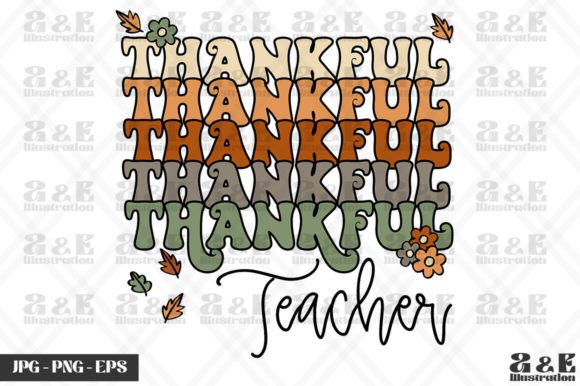
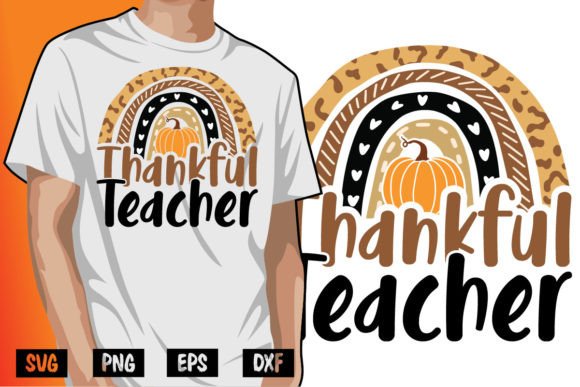
When converting a typographic T-Shirt Designs asset into embroidery, the primary concern is legibility. Thick, bold letters generally stitch out better than thin, serif fonts because they can accommodate fill stitch patterns without becoming distorted. In my analysis of Thankful Teacher Thanksgiving, the letterforms appear substantial enough to hold their shape. If you are using this as a digital embroidery file, you will want to ensure that the digitizer has applied appropriate underlay stitches to prevent puckering, especially if you are working with lighter fabrics.
The visual personality of this design is versatile. It does not rely on intricate shading or complex gradients, which are difficult to replicate with thread. Instead, it relies on strong contrast and clear spacing. This makes it an excellent choice for satin stitch borders or simple block fills. For embroidery designers, this means less risk of thread breaks and a cleaner finished product. The lack of excessive detail allows the texture of the thread to shine, adding a tactile quality that printed Graphics simply cannot achieve.
Real-World Application Scenarios
Let us imagine a specific scenario: you are preparing a custom order for a local elementary school. The client wants personalized sweatshirt embroidery for five staff members. Thankful Teacher Thanksgiving fits this brief perfectly. The design’s balanced composition allows it to sit comfortably on the left chest of a hoodie or centered on the front of a crewneck. Because the design is typographic, it reads clearly from a distance, which is essential for apparel that serves as both clothing and identification.
Beyond apparel, consider the potential for a tote bag design. Canvas bags are popular among educators for carrying books and supplies. Embroidering this phrase onto a sturdy cotton tote adds a layer of durability and prestige that a vinyl print might lack. The raised texture of the stitches enhances the perceived value of the handmade product. Similarly, this design could work beautifully on a kitchen towel or apron, transforming a standard household item into a thoughtful personalized gift for the holidays.
For those creating embroidered patch products, this design offers a compact footprint. Patches are a trending item in small shops, and a clear, readable message is key to their success. Whether ironed onto a denim jacket or sewn onto a backpack, the Thankful Teacher Thanksgiving motif provides a stylish nod to the season without being overly thematic or cluttered.
Fabric Considerations and Technical Challenges
While the design is robust, it is not without its challenges. One must be cautious when applying it to stretchy fabric or knits. Without proper stabilization, the pull of the threads can cause the letters to warp, ruining the clean lines of the typography. I strongly advise using a cut-away stabilizer for garments that will be washed frequently, such as t-shirts and sweatshirts. This ensures the design remains stable over time.
Another critical factor is fabric texture. If you are stitching on a textured fleece or a waffle-knit material, the small details of the lettering might get lost. In such cases, increasing the stitch density slightly or opting for a heavier weight thread can help maintain clarity. Conversely, on very thin fabrics like silk or lightweight polyester, the density of the fill stitches might cause puckering. Always test the design on scrap fabric that matches your final project material before committing to the final piece.
Color selection plays a pivotal role in the success of this design. The product description notes that it allows for easy color changes for dark or white t-shirts. In embroidery, this translates to choosing high-contrast thread colors. A cream thread on a navy blue sweatshirt creates a classic, sophisticated look, while bright orange or gold on black can evoke traditional autumn vibes. Avoid low-contrast combinations, such as light gray on white, as they will reduce the impact of the message.
Commercial Viability and Brand Consistency
For Etsy sellers and boutique owners, consistency is key to building brand trust. Thankful Teacher Thanksgiving offers a professional appearance that can elevate your shop’s aesthetic. When used in commercial embroidery projects, it signals attention to detail. Customers are more likely to perceive an embroidered item as a premium product compared to a mass-produced print. This perception can justify a higher price point and increase customer satisfaction.
However, before listing this as a small shop product, you must verify the licensing terms. Since the source is described as a vector item for T-shirt designs, ensure that you have the right to use it for physical embroidered goods. Some digital assets are licensed only for print-on-demand or digital use. Confirming these details protects your business from legal issues and ensures ethical practice.
Practical Designer Notes for Execution
To get the best results from Thankful Teacher Thanksgiving, follow these practical steps:
- Test on Scrap Fabric: Always run a test stitch-out on the same type of fabric you plan to use for the final product. This helps you identify any tension issues or registration errors.
- Check Hoop Size: Ensure your embroidery machine’s hoop size can accommodate the full width of the design. If the design is large, you may need a larger hoop or a multi-position strategy.
- Inspect Small Details: Zoom in on the digitized file to check for tight corners or narrow columns in the letters. These areas are prone to thread bunching and may require manual editing in your digitizing software.
- Mockup Verification: Create printable mockup images or digital previews showing the design on various backgrounds. This helps customers visualize the final embroidery project and increases engagement.
- Stabilizer Selection: Match your stabilizer to your fabric. Use tear-away for stable woven fabrics and cut-away for stretchy knits to ensure longevity.
In conclusion, Thankful Teacher Thanksgiving is a strong contender for your autumn embroidery lineup. Its typographic simplicity makes it adaptable across various mediums, from baby embroidery on onesies to sophisticated holiday embroidery on home decor. By paying attention to technical details like stabilizer choice and thread contrast, you can transform this graphic into a high-quality, tangible asset that resonates with customers. It is a reminder that good design is not just about what we see, but how it feels and functions in the real world.