School Design Review: A Practical Look for Embroidery Projects
As a designer who spends more time staring at stitch simulations than most people care to admit, I approach every new machine embroidery design with a mix of optimism and skepticism. We have all been there: you download a file that looks crisp on the screen, only to find it turns into a bird's nest of thread once it hits the fabric. Today, I am taking a close look at the School Design, specifically evaluating its potential for real-world application in custom apparel and handmade goods.
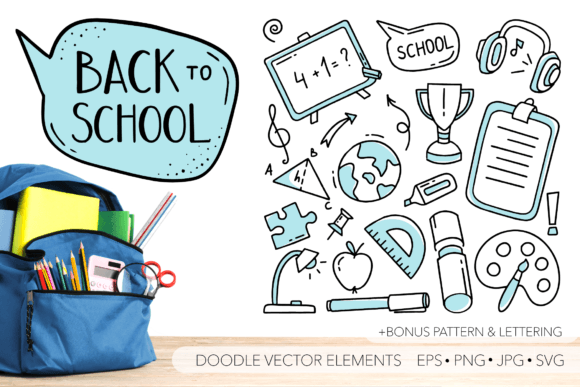
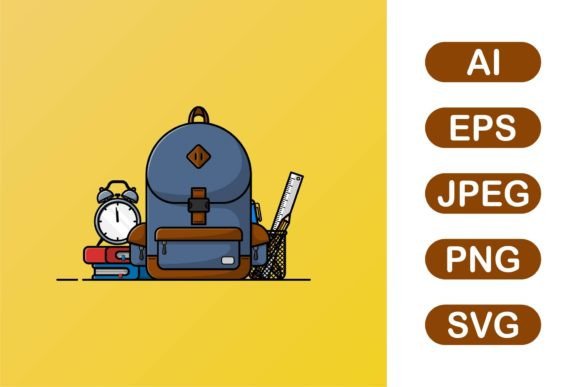
My first impression of this asset is that it carries a distinct, nostalgic mood. The lines are clean, and the composition feels balanced, which is crucial when you are translating a digital concept into physical thread. While the product listing categorizes this under Illustrations and Graphics, providing AI, EPS, and SVG files, my mind immediately jumps to how these vectors will translate into a satin stitch or fill stitch environment. The visual personality here suggests versatility; it is not so complex that it demands hours of machine time, yet it has enough character to stand out as a focal point on a garment.
Real-World Application: The Custom Tote Bag Scenario
To truly test the viability of any design, I like to imagine a specific client request. Let's say a local teacher cooperative approaches me to create welcome gifts for their staff. They want something durable, professional, and thematic. This is where School Design shines. I can easily visualize this graphic centered on a heavy canvas tote bag design.
In this scenario, the clarity of the shapes becomes paramount. If the design relies on tiny, intricate details, they often get lost in the weave of canvas or twill. However, the layout of this particular graphic appears robust enough to handle the texture of a bag without losing its definition. For a small shop product like this, the perceived value is high. A customer receiving a bag with a well-executed embroidered motif perceives it as a premium handmade product, far superior to a heat-transfer vinyl alternative that might crack after a few washes.
Beyond bags, I see strong potential for sweatshirt embroidery. Placing this design on the left chest of a navy or maroon fleece creates an instant sense of belonging, perfect for alumni groups or school spirit wear. The simplicity allows it to work well even on curved surfaces, provided the hooping technique is correct.
Technical Considerations for Stitching Success
While the aesthetic appeal is evident, a responsible reviewer must address the technical hurdles. Since the provided files are vector-based (AI, EPS, SVG), it is important to remember that these are not ready-to-stitch embroidery files out of the box unless you have software that auto-digitizes or if you are using them for cut applications like appliqué. If you are planning to use this as a reference for creating a digital embroidery file, pay close attention to the stitch density.
When converting these graphics, avoid making the fill areas too dense. High density on stretchy fabrics like t-shirts or baby onesies can cause the material to pucker, ruining the finished product. For baby embroidery, I always recommend using a softer thread and ensuring the back of the design is covered with a smooth backing to prevent skin irritation. If you are creating an embroidered patch, you can afford a higher stitch count, but for direct-to-garment applications, less is often more.
Another critical factor is the hoop size. Although the canvas size is listed as 1920px by 1280px, the physical dimensions will depend on your digitizing settings. Always check if the design fits within your available hoops, especially if you are working on caps or small pockets. Curved surfaces like baseball caps require extra stabilization; a standard tear-away might not be enough to prevent shifting during the stitching process.
Navigating Fabric Choices and Color Contrast
The success of School Design also hinges on your choice of thread colors and fabric background. On dark fabrics, you may need to adjust the underlay stitches to ensure the top threads pop without showing the fabric underneath. Conversely, on white or light-colored materials, ensure your thread has enough saturation to create contrast. Testing the design in black and white mockups before committing to thread is a habit that saves both money and frustration.
Be cautious with textured fabrics like linen or heavy wool. The "noise" of the fabric texture can sometimes compete with the lines of the design. In such cases, using a cut-away stabilizer is non-negotiable to maintain the integrity of the shape over time. For items that will undergo frequent washing, such as kitchen towels or aprons, the durability of the stitch type matters. Satin stitches offer a shiny, professional look but can snag; fill stitches are more durable but may lack the same level of fine detail.
Commercial Viability and Brand Consistency
For Etsy sellers and creative entrepreneurs, consistency is key to building trust. Using a cohesive set of design assets helps establish a recognizable brand identity. If School Design fits your niche—perhaps you specialize in educational decor or teacher appreciation gifts—it can become a staple in your catalog. The professional look of the graphic enhances customer trust; buyers are more likely to return to a shop that delivers high-quality, well-presented items.
However, before listing items for sale, you must verify the licensing terms associated with these graphics. While the product description outlines the file formats received, it does not explicitly detail commercial usage rights for the vector files themselves versus the stitched output. Always confirm whether you are allowed to sell the digital files or only the physical custom apparel and goods created from them. Protecting your craft business means respecting intellectual property and ensuring you have the right to profit from your labor.
Final Verdict for Makers and Designers
In conclusion, School Design offers a solid foundation for a variety of creative projects. Its strength lies in its adaptable theme and clean geometry, which translates well into the tactile world of embroidery. Whether you are crafting a holiday embroidery gift, designing boutique merchandise, or creating printable mockups for your online store, this graphic holds significant potential.
My advice is to treat the vector files as a starting point. Take the time to digitize or adapt them with care, considering the specific needs of your fabric and machine. Test on scrap material first, check your tension, and don't rush the stabilizer selection. When executed with attention to detail, this design can elevate a simple piece of cloth into a cherished keepsake. For makers who value quality and practicality, adding this to your library of design assets is a worthwhile investment for future embroidery projects.